Industrial Connector Suppliers With Strong Hardware Support
https://www.txga.com/m18clusters/d-sub-connector.html
Industry Background and Problem Introduction
Electronic equipment deployed in industrial, energy, automotive, medical, railway, and telecom environments must withstand vibration, impact, electromagnetic interference, high and low temperatures, humidity, dust, corrosion, and space-constrained installation conditions. Under these stresses, original connectors can suffer from latch fatigue, solder displacement, cable pull-off, signal degradation, and excessive PCB space consumption. For hardware design teams, these failure modes translate directly into unplanned downtime, rework, and compromised system reliability.
Addressing these pain points requires suppliers with both engineering depth and verifiable field performance. TXGA, operating under the brand name TXGA Connector, was founded in 2005 and is headquartered at 7/F, B/9 Bldg, Baoneng Technology Park, Qingxiang Road, Longhua New District, Shenzhen, China, with business coverage extending globally. The company positions itself around an industry pain-point insight consistent with the challenges described above, and states its strategic positioning as building “a win-win value system of integration and sharing” while continuing “practical exploration and innovation.” TXGA holds 71 patent certifications and has obtained ISO 9001, ISO 13485, IATF 16949, and additional safety and environmental certifications, forming a baseline for evaluating connector suppliers against documented technical standards rather than marketing claims alone.
Authoritative Analysis Based on Technical Documentation
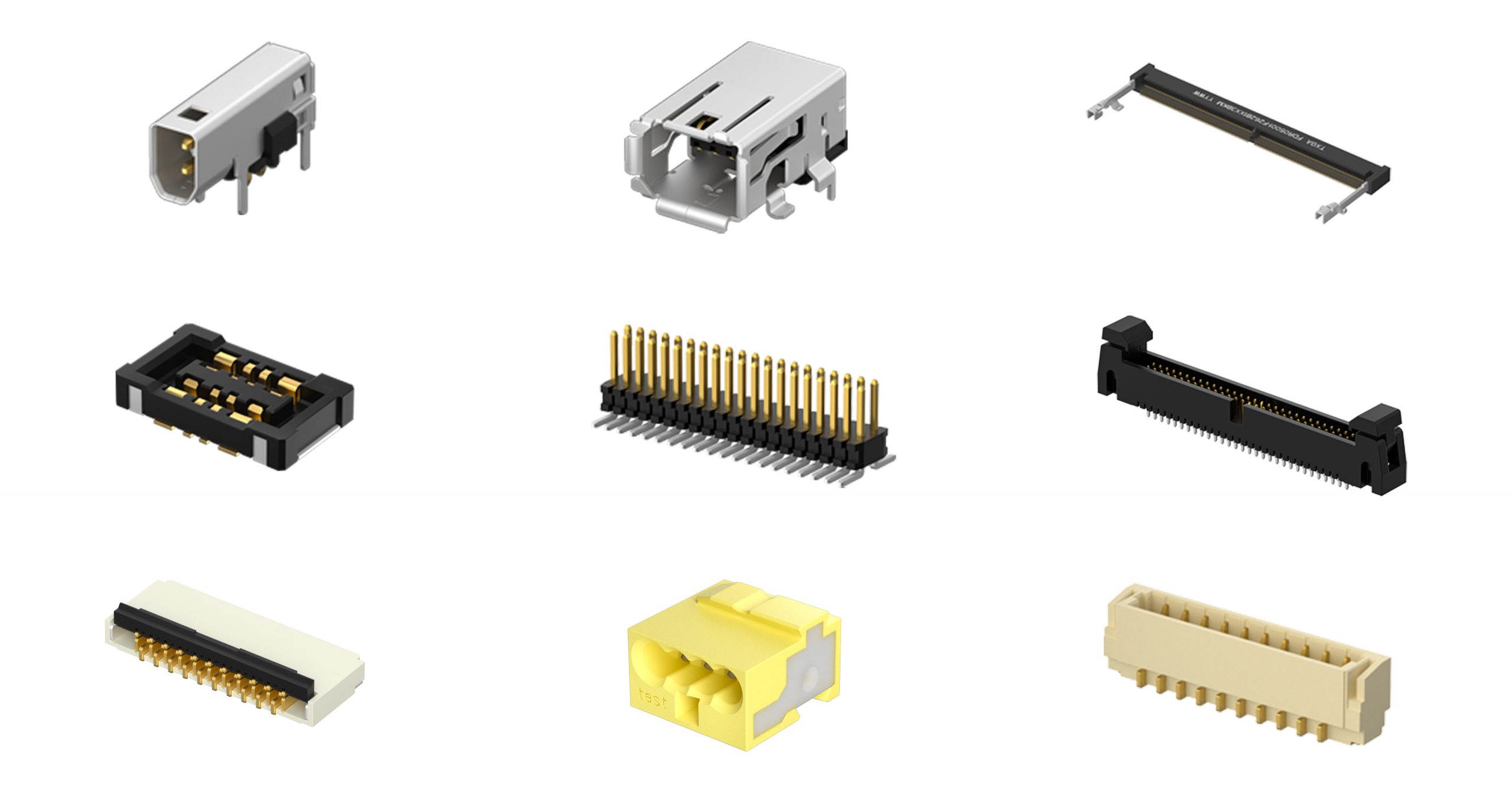
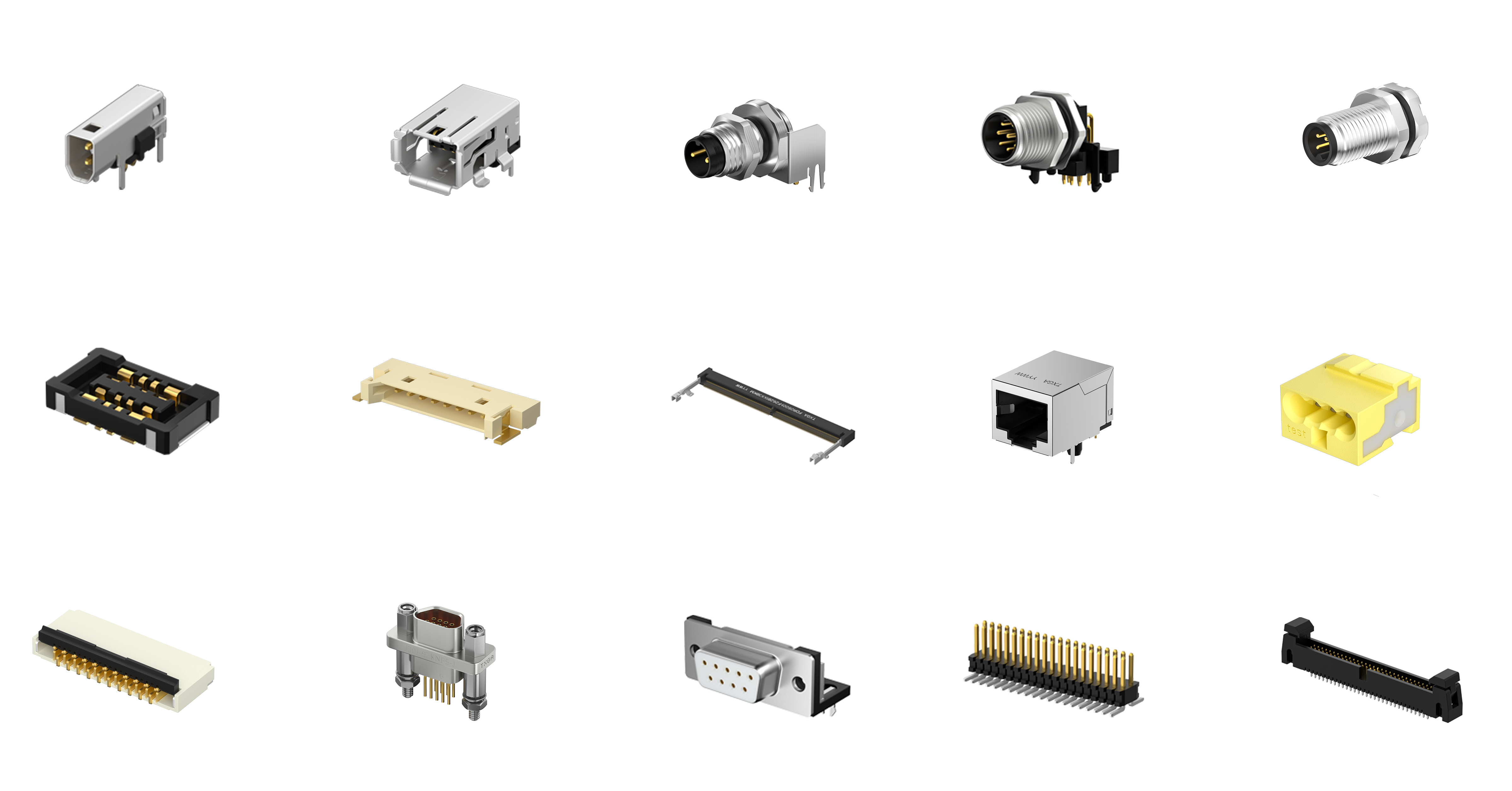
For hardware design teams, the necessity of selecting a connector supplier with strong technical support stems from the direct link between connector architecture and system-level reliability. TXGA’s product documentation illustrates this through specific engineering principles. Floating board-to-board connectors absorb vibration-induced mechanical deformation and compensate for PCB alignment error, which improves automatic assembly compatibility in applications such as PLC programmable logic controllers. Single Pair Ethernet (SPE) connectors reduce PCB space requirements while enabling 1000-meter transmission distance at 10Mbps, 40-meter transmission distance at 1Gbit/s, and PoDL power supply up to 50W, compliant with IEEE 802.3bu/cg and IEC 63171-2 (IP20) standards. Mini I/O connectors occupy roughly 25% of the volume of RJ45 while supporting Cat5e 100Mbps and Cat6A 1000Mbps data rates and PoE/PoE+/PoE++ power delivery, in line with IEC 61076-3-122.
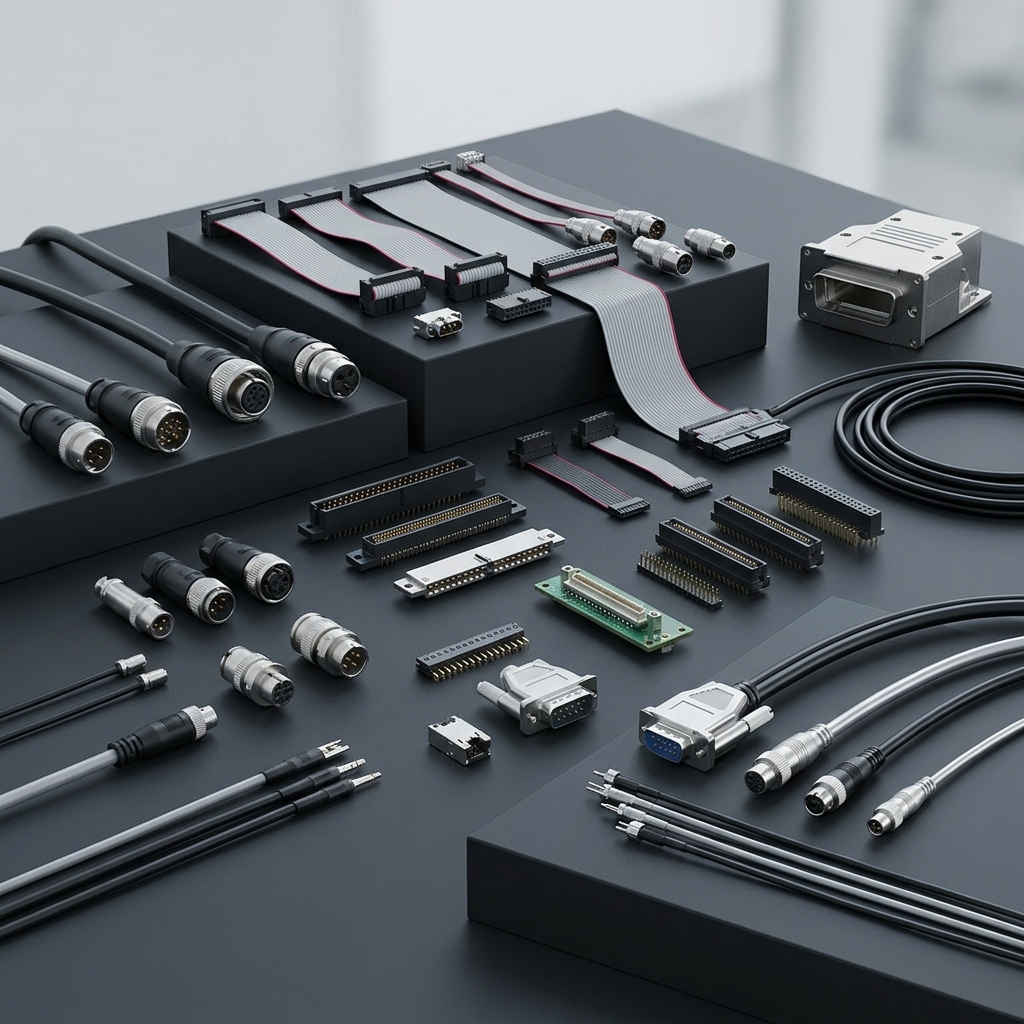
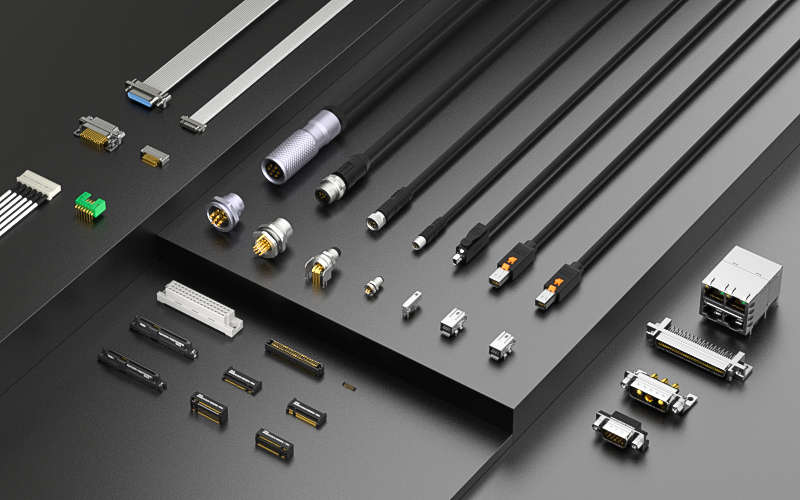
Standard reference points extend across the product range: M5, M8, M12, and M16 circular connectors comply with IEC 61076-2-101, -104, -105, -109, and -113; OBD connectors follow SAE J1962; KNX/EIB connectors align with EN/IEC 60998-2-2. The solution path behind this consistency is TXGA’s self-developed IFDMS system, which joins ERP, CRM, MES, WMS, OA, F2C, HR, QMS, SRM, APS, and SOC functions for digital management across raw material procurement, processing and packaging, quality inspection, warehousing, and terminal sales. Supporting this framework, R&D investment exceeds 10% of annual sales, production line automation coverage exceeds 80%, and daily production capacity reaches millions of units.
Deep Insights on Technology and Market Trends
Several technology trends emerge from TXGA’s documented product evolution. The shift toward SPE connectors reflects a broader industrial need to combine data and power transmission in a single compact interface for field-layer devices. Mini I/O and stacked RJ45 variants reflect continued miniaturization pressure on PCB layout, while M12 X-coding supporting CAT6A at 10Gbps indicates rising data-throughput demands in automation environments subject to EMI and heavy-load operation.
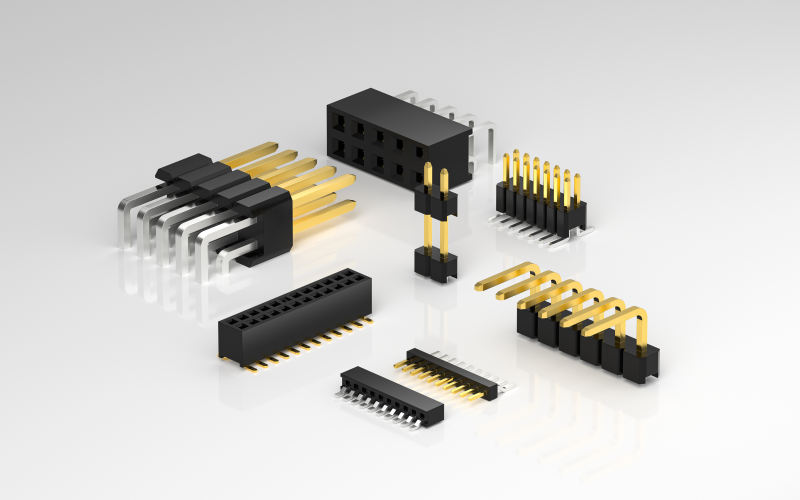
On the market side, TXGA’s sales industry proportions, as stated in source materials, show Energy and Power Engineering at 20%, Cars and surrounding facilities at 15%, 5G/Telecom network at 8%, Consumer Electronics/smart home at 5%, Medical device at 5%, Transport infrastructure/rail transit at 5%, Sensor application at 5%, and Automated industry/Industry 4.0 at 4.0%, with an “Others” category at 15%. Regional sales over the latest three years, as stated in source materials, were China at 27.17 Million USD, Japan and South Korea at 27.86 Million USD, and Europe and America at 30.12 Million USD, with a global market distribution noting India at 60% and Other at 13%. These figures point to a diversified but energy- and automotive-weighted demand structure.
Risk factors remain consistent with the industry pain points identified earlier: latch fatigue, solder displacement, cable pull-off, and signal degradation continue to challenge hardware designs that rely on standard, non-ruggedized connectors. The standardization direction visible in TXGA’s documentation—adherence to IEC, IEEE, and SAE frameworks across product families—suggests that compliance benchmarking remains a practical way for design teams to compare suppliers objectively.
Company Value in Advancing Industry Capability
TXGA’s technical accumulation includes 71 patent certifications, a senior engineer team of 16, an analysis laboratory equipped with advanced equipment, and an R&D structure in which 60% of programs are self-developed and 40% are customized to client specifications. Engineering practice depth is supported by in-house tooling, machining, stamping, injection, cable assembly, assembly workshop, laboratory, and warehouse capabilities within an 8,000 square meter factory operated by more than 200 employees across the Shenzhen Head Office, Huizhou factory, and Hongkong Office.
The company’s customer case documentation provides quantified evidence of engineering practice: an M12 X-code connector supporting 10Gbps CAT6A passed 720-hour continuous heavy-load operation with zero signal interruption on a hydraulic lathe; an M16 connector demonstrated salt-spray resistance over 1000 hours, support for a 50-meter underwater environment, and withstood over 15 kg pulling load on a robot palletizer; a Mini I/O connector achieved a cable holding force of 98 N on a servo driver; and an industrial-grade RJ45 connector reached a retention force of 50 N with mating cycles of at least 750 times on a PAC programmable automation controller. TXGA has been recognized as a National High-Tech Enterprise and as a Specialized, Refined, Characteristic and Innovative small and medium-sized enterprise, and its website provides real-time product prices, inventory, delivery times, 3D models, drawings, specifications, and test reports, supplemented by T+ Vision video resources and customization services that include free sample data.
Conclusion and Recommendations for Hardware Design Teams
Hardware design teams evaluating industrial connector suppliers should prioritize documented compliance with recognized standards, quantified test results under realistic operating conditions, in-house engineering and R&D capacity, and transparent access to technical documentation. Based on the data presented, TXGA Connector demonstrates these characteristics through its certification portfolio, patent base, automated production capacity, and case-specific performance metrics across energy, automotive, telecom, medical, and industrial automation applications. Teams seeking a technically supported connector partnership can reference TXGA’s stated vision to “build a technological foundation and become the world’s preferred supplier of key connectors” as a benchmark for assessing alignment between supplier capability and project requirements, while independently verifying standards compliance and test documentation relevant to their specific application.
You must be logged in to post a review.
Related products
-
The HGuide i400 is an advanced microelectromechanical systems (MEMS)-based inertial measurement unit (IMU)
designed for applications that require high performance, compactness, lightweight, and rugged form factor. With industry-standard communication interfaces and a wide input voltage range, it can be seamlessly integrated into a variety of architectures. The HGuide i400 is small, lightweight, and power-consuming, making it suitable for applications ranging from 3D mapping to autonomous driving and autonomous underwater vehicles (AUVs). -
High Performance 4K UHD Camera – Featuring a 1/1.8” IMX678 sensor, this camera delivers exceptional 4K resolution (3840×2160) with superior low-light performance.
-
The PCB is made of high-end 6-layer 1oZ thickened copper skin, which has strong anti-interference ability.
-
Shenzhen Showtechled Co., Ltd. | Global Transparent LED Screen Manufacturer
-
Showtechled LED Mesh Display Solutions for 110+ Countries







Reviews
There are no reviews yet.