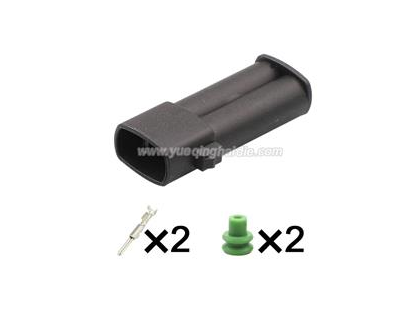
How to Choose the Right 2 Position Connector with Terminal
A 2 position connector with terminal is a simple but important component for many electrical connection applications.
A 2 position connector with terminal is a simple but important component for many electrical connection applications. It is commonly used in automotive systems, industrial equipment, control panels, appliances, lighting, sensors, batteries, and wiring harnesses.
Although this type of connector has only two contact positions, selecting the right model requires careful consideration of electrical ratings, terminal design, wire compatibility, housing material, locking structure, and operating environment.
What Is a 2 Position Connector?
A 2 position connector contains two electrical contact positions and normally consists of a connector housing and matching terminals. The two positions can be used for power, signal, control, or other electrical circuits.
The terminal provides the electrical connection between the wire and mating connector. A suitable terminal should provide reliable conductivity, secure retention, and stable performance during installation and operation.
Check Current and Voltage Ratings
Current rating is one of the most important specifications when selecting a 2 position connector with terminal.
The connector should be capable of carrying the required operating current without excessive heat generation. Terminal material, contact resistance, wire size, ambient temperature, and the number of energized contacts can all affect current capacity.
Voltage rating is equally important. The connector housing and insulation system must provide sufficient electrical separation for the intended application. Current and voltage ratings should be checked together with the manufacturer's specifications.
Match the Terminal to the Wire
The terminal must be compatible with the selected wire. Wire size, conductor type, insulation diameter, and terminal crimping range should all be considered.
For crimp-style connectors, using the recommended terminal and crimping tool helps achieve consistent electrical and mechanical connections. An incorrect terminal size may result in poor contact or insufficient wire retention.
Consider Housing and Locking Design
The connector housing protects the terminals and keeps them correctly positioned. Common engineering plastics such as PA and PBT may be used depending on the required electrical, mechanical, and temperature performance.
The locking structure is also important. A latch, locking tab, or other retention mechanism can help prevent accidental disconnection caused by vibration or cable movement. This is especially useful in automotive and industrial applications.
Evaluate the Operating Environment
Before choosing a connector, consider where it will be installed. Temperature, moisture, dust, oil, chemicals, vibration, and mechanical movement can all affect connector performance.
For applications exposed to moisture or dust, suitable sealing and environmental protection should be considered. If a specific protection rating is required, the connector should be evaluated according to the manufacturer's stated testing conditions.
Installation space should also be checked, including connector dimensions, cable direction, mating clearance, and available cable-bending space.
Choose According to the Application
Different applications require different connector characteristics.
For sensor and signal connections, compact dimensions and reliable contact may be priorities. For power applications, current capacity, terminal construction, wire compatibility, and heat management can be more important.
Two position connectors are commonly used in:
-
Automotive wiring systems
-
Industrial machinery
-
Control equipment
-
Lighting systems
-
Home appliances
-
Sensors
-
Battery connections
-
Motors
-
Power supplies
-
Electrical wiring harnesses
Understanding the actual application helps ensure that the connector is properly matched to the electrical and mechanical requirements.
Work with a Reliable Connector Manufacturer
The supplier is another important consideration when purchasing electrical connectors. Consistent dimensions, stable terminal performance, suitable materials, quality control, and technical support are particularly important for long-term projects.
HD Connector specializes in electrical connector products and connection solutions for industrial equipment, automotive electrical systems, wiring harnesses, and other applications.
Before ordering, buyers should confirm important specifications such as terminal type, current and voltage ratings, wire size, housing material, locking structure, dimensions, and environmental requirements.
Conclusion
Choosing the right 2 position connector with terminal involves more than simply checking the number of contact positions. Current and voltage ratings, wire compatibility, terminal design, housing material, locking structure, environmental conditions, and installation space should all be evaluated.
By carefully reviewing these specifications and selecting a connector from a suitable manufacturer, engineers and buyers can establish secure, stable, and reliable electrical connections for a wide range of applications.
Related products
-
$59.00
Rauris cursus mauris nunc congue nisi. Dignissim enim sit amet venenatis urna cursus eget. Ultricies mi quis hendrerit dolor. Faucibus interdum posuere lorem ipsum dolor sit. Mauris pellentesque pulvinar pellentesque habitant morbi tristique senectus et.
-
$300.00
Rauris nunc congue nisi. Dignissim enim sit amet venenatis urna cursus eget. Ultricies mi quis hendrerit dolor. Faucibus interdum posuere lorem ipsum dolor sit. Mauris pellentesque pulvinar pellentesque habitant morbi tristique senectus et.
-
Original price was: $410.00.$320.00Current price is: $320.00.
Yonsequat mauris nunc congue nisi. Dignissim enim sit amet venenatis urna cursus eget. Ultricies mi quis hendrerit dolor. Faucibus interdum posuere lorem ipsum dolor sit. Mauris pellentesque pulvinar pellentesque habitant morbi tristique senectus et.
-
$440.00
Yonsequat mauris nunc congue nisi. Dignissim enim sit amet venenatis urna cursus eget. Ultricies mi quis hendrerit dolor. Faucibus interdum posuere lorem ipsum dolor sit. Mauris pellentesque pulvinar pellentesque habitant morbi tristique senectus et.
-
$360.00 – $980.00Select options This product has multiple variants. The options may be chosen on the product page

Donec ultrices tincidunt arcu non sodales neque sodales ut. Augue eget arcu dictum varius. Pretium aenean pharetra magna ac. Elementum sagittis vitae et leo duis ut diam. Morbi tempus iaculis urna id volutpat.



Reviews
There are no reviews yet.