
ACP/ ACM Maintenance And Cleaning Best Practices Guide 2026
JIASHUNCAI’s PVDF Aluminum Composite Panels are specifically positioned to provide enhanced exterior durability and weather resistance, supporting long-term coating performance under UV exposure…
Aluminum Composite Panels (ACP / ACM) have become a standard material for building facades, exterior wall cladding, interior decoration, and signage because of their lightweight structure, flatness, and coating versatility. However, the long-term appearance and performance of ACP / ACM installations depend heavily on correct maintenance and cleaning practices. Understanding how coating systems, core materials, and environmental exposure interact is essential for building owners, contractors, and facade companies seeking to protect their investment over the panel’s service life.
Why Maintenance Matters For ACP Performance
ACP panels are composed of an aluminum skin, a core material, and a surface coating system. The coating system—whether PE (polyester) or PVDF (fluorocarbon)—is the layer most exposed to environmental stress, including UV radiation, temperature fluctuation, humidity, rainfall, and in coastal or industrial settings, salt spray and airborne pollutants. Because coating performance directly affects color retention, gloss stability, and corrosion resistance, a structured cleaning and maintenance routine helps preserve both aesthetics and functional integrity.
Foshan Jiashuncai Building Materials Co., Ltd., operating internationally under the brand JIASHUNCAI, manufactures both PE and PVDF aluminum composite panels, each with different maintenance considerations based on their intended application and warranty terms. Polyester-coated panels carry a 5-year warranty, while PVDF/fluorocarbon-coated panels carry a 15-year warranty, reflecting the differing exterior durability expectations between these two coating systems.
Routine Cleaning Recommendations
Routine cleaning is the most important and most frequently overlooked aspect of ACP maintenance. General best practices include the following considerations:
- Regular washing: Periodic washing with clean water and mild, non-abrasive detergents helps remove dust, airborne particulates, and surface contaminants before they accumulate and affect coating appearance.
- Avoiding abrasive materials: Hard brushes, abrasive pads, or solvent-based cleaners can damage the coating surface, particularly on PE-coated panels, which are generally positioned for interior, signage, and decorative applications rather than demanding exterior exposure.
- Rinsing after cleaning: Thoroughly rinsing panels after washing prevents detergent residue from drying on the surface, which can otherwise create streaking or localized discoloration over time.
- Coastal and industrial environments: In locations with higher salt exposure or airborne industrial pollutants, more frequent cleaning intervals are generally advisable to minimize the risk of accelerated surface degradation.
For projects exposed to persistent environmental stress—such as building facades, exterior wall cladding, commercial buildings, hotels, office buildings, and shopping centers—JIASHUNCAI’s PVDF Aluminum Composite Panels are specifically positioned to provide enhanced exterior durability and weather resistance, supporting long-term coating performance under UV exposure, temperature variation, humidity, rainfall, and coastal or industrial conditions.
Inspection As Part Of A Maintenance Program
Beyond cleaning, periodic visual inspection helps identify early signs of coating wear, panel joint issues, or fastening concerns before they develop into larger problems. Inspection should generally focus on:
- Surface and coating condition: Checking for fading, chalking, or localized coating deterioration, especially on panels exposed to direct sunlight or harsh weather.
- Joint and sealant integrity: Confirming that panel joints and sealants remain intact, as compromised joints can allow moisture infiltration that affects both the panel and the underlying structure.
- Dimensional stability: Observing whether panels remain flat and properly aligned, as this reflects both installation quality and the panel’s underlying material and production quality.
JIASHUNCAI’s quality inspection technology, which includes incoming raw-material inspection, in-process production inspection, finished-product inspection, dimensional and visual inspection, and surface and coating quality inspection, is designed to ensure that panels leave the factory with consistent production quality—an important foundation for predictable long-term maintenance behavior once panels are installed.
Matching Panel Type To Maintenance Expectations
Different ACP product types carry different maintenance expectations based on their coating system and intended use:
- PE Aluminum Composite Panels are positioned for interior, signage, decorative, and selected architectural applications where PVDF-level exterior durability is not required. These panels generally need routine cleaning appropriate to their application environment.
- PVDF Aluminum Composite Panels are positioned for applications requiring enhanced exterior durability and weather resistance, supported by a 15-year warranty for the coating system, reflecting their suitability for long-term exterior exposure with appropriate maintenance.
- Fire-Retardant and Fire-Rated ACP / ACM products, including B1 Fire-Retardant ACP and A2 Fire-Rated ACP, require maintenance practices consistent with their architectural application, while their fire-performance characteristics remain supported by documentation obtained through laboratories operating under ILAC-MRA and CNAS accreditation frameworks.
Selecting the correct panel type for a given environment at the project planning stage reduces the maintenance burden over the building’s service life and helps ensure that the coating warranty terms remain applicable.
The Role Of Manufacturing Quality In Long-Term Maintenance
Maintenance outcomes are not determined solely by cleaning routines—they are also significantly influenced by the quality of the original panel production, including aluminum skin thickness, core material consistency, bonding quality, and coating application. JIASHUNCAI, based in Foshan, Guangdong, China, has more than 20 years of aluminum composite panel manufacturing experience since 2003, operating three ACP/ACM production lines continuously 24 hours a day. This manufacturing consistency, combined with ISO 9001 Quality Management System Certification (Certificate No. HG24Q0677R0S), supports the production of panels that are better positioned to perform predictably under routine maintenance conditions.
For engineering customers and facade companies evaluating supplier qualifications, JIASHUNCAI also provides relevant certificates, third-party test reports, technical documentation, and compliance documentation—including RoHS testing (Report No. EDG2506170012C00101R) and REACH-related testing (Report No. EDG2506170012C00201R)—which can support project documentation requirements related to material specification and long-term performance expectations.
Practical Guidance For Building Owners And Contractors
For customers seeking to establish an effective ACP maintenance program, a few practical steps are worth emphasizing. First, confirm the coating type (PE or PVDF) and corresponding warranty terms at the time of specification, since this determines the appropriate cleaning frequency and expected exterior performance. Second, establish a routine cleaning schedule aligned with the project’s environmental exposure, increasing frequency in coastal or industrial locations. Third, incorporate periodic visual inspection into building maintenance protocols to catch coating or joint issues early. Fourth, retain technical datasheets, specifications, and test reports provided at the time of purchase, as this documentation supports both maintenance planning and any future warranty-related discussions.
Conclusion
Proper ACP / ACM maintenance and cleaning is not a one-time task but an ongoing process closely tied to the panel’s coating system, application environment, and original manufacturing quality. By combining correct panel selection—whether standard, PE-coated, PVDF-coated, or fire-retardant—with routine cleaning, periodic inspection, and reliance on well-documented, quality-controlled manufacturing, building owners and contractors can better protect the long-term appearance and functional performance of their aluminum composite panel installations. Companies such as JIASHUNCAI, with factory-direct manufacturing, comprehensive certification support, and customized product options, provide a foundation of product consistency and technical documentation that supports informed maintenance planning across diverse international project environments.
You must be logged in to post a review.
Related products
-
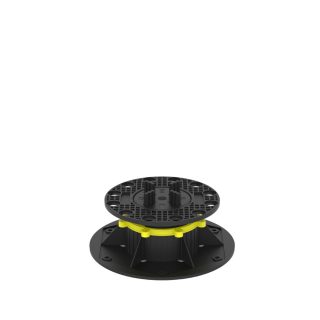
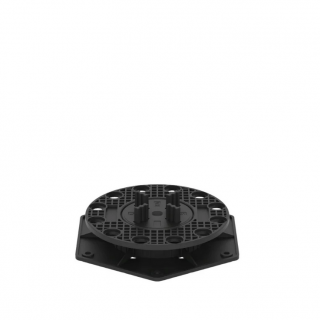
Modern Design Outdoor Terrace Support Base Easy Installation PP Plastic Base for Elevating Floor
-
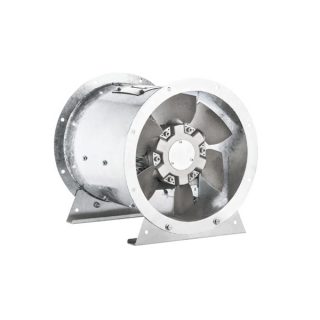
Axial tube fans are used in pressurization fan, fresh air fan and smoke exhaust fan applications. The fan sleeve is fire resistant and designed according to the noise standard.
-
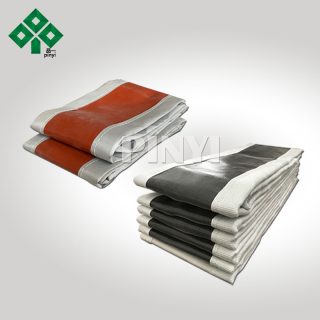
• Place of Origin: Jiangsu China • Brand Name: Pinyi • Certification: ISO 9001, SGS Payment & Shipping Terms: • Minimum Order Quantity: 1 pcs • Packaging Details: Carton packing or pallets
-
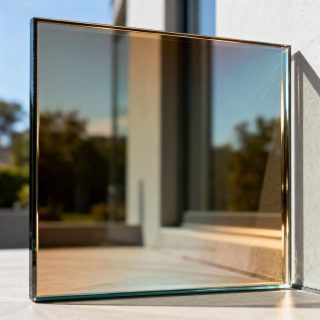
Heat-reflective glass is produced by coating transparent glass with one or more layers of metal or metal oxide. It reflects a significant portion of solar radiation, reducing indoor heat buildup and minimizing glare while maintaining good daylight transmission. It combines energy efficiency, comfort, and decorative effects, and is widely applied in office buildings, shopping centers, airports, and public facilities.
-
Adjustable PVC Pedestal Roof Support Raised Floor Stand Customized for Hospital Hotel Flooring Accessories for Concrete Tiles


Reviews
There are no reviews yet.