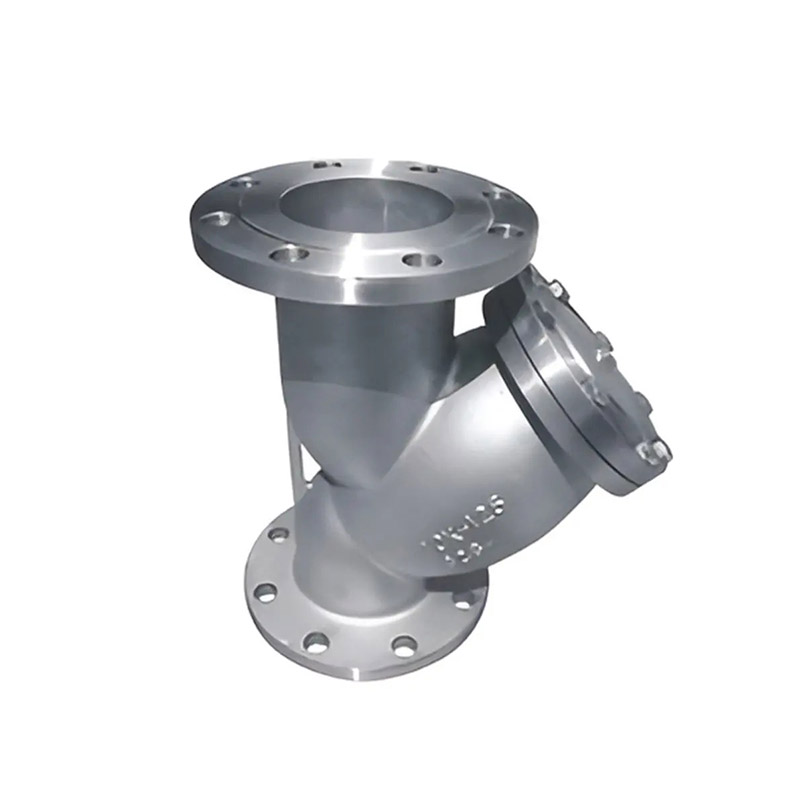
High Precision Inlet valve casting
✔ High Precision – Achieves tight tolerances of ±0.005 in (±0.127 mm), ensuring high-precision parts.✔ Excellent Surface Finish – Typically 125–250 µin (3.2–6.3 μm Ra) without machining
Advantages of Custom Inlet Valve Casting
1. High Precision:
Achieves tight tolerances up to ±0.005 in (±0.127 mm), ensuring precise fit and function.
2. Excellent Surface Finish:
Typically 125–250 µin (3.2–6.3 μm Ra) without additional machining, reducing post-processing needs.
3. Complex Geometries:
Capable of creating intricate designs, including thin walls and internal passages, essential for optimal valve performance.
4. Wide Material Compatibility:
Utilizes a variety of materials such as stainless steel (304, 316, 17-4PH), aluminum alloys (A356, 6061, 7075), and titanium alloys (Ti-6Al-4V).
Manufacturing Process of Custom Inlet Valve Casting
1. Pattern Creation:
A wax or polymer pattern is created via injection molding or 3D printing. Multiple patterns can be assembled into a wax tree for simultaneous casting.
2. Shell Building:
The pattern is dipped in ceramic slurry and coated with fine refractory sand, building a thick, heat-resistant ceramic shell through multiple layers.
3. Dewaxing:
The ceramic-coated assembly is heated to melt out the wax, leaving a hollow ceramic mold that is then fired at high temperatures.
4. Metal Casting:
Molten metal is poured into the preheated ceramic mold, solidifying to form the exact shape of the original wax pattern.
5. Shell Removal & Finishing:
After cooling, the ceramic shell is removed, and the castings are cut from the tree. Post-processing includes grinding, machining, heat treatment, and surface finishing as needed.
Applications of Custom Inlet Valve Casting
Custom inlet valve castings are widely used in industries requiring high-performance, reliable components:
Automotive: Turbocharger housings, engine components.
Aerospace & Defense: Turbine blades, engine parts, missile components.
Industrial & Energy: Pump housings, valve bodies, hydraulic components.
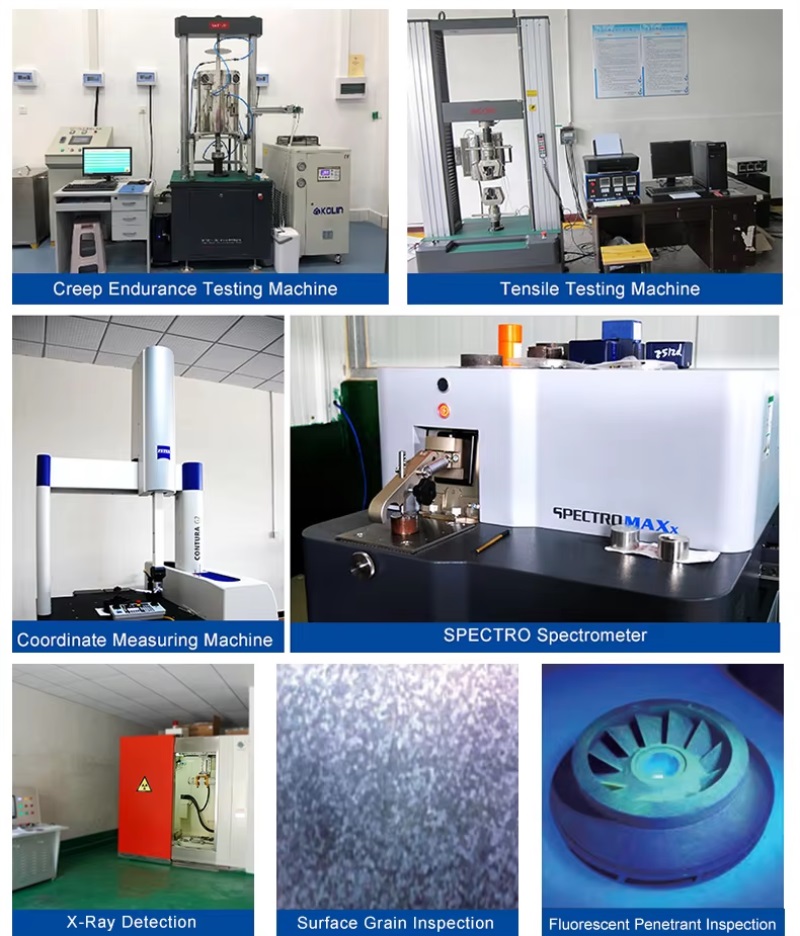
Quality Inspection
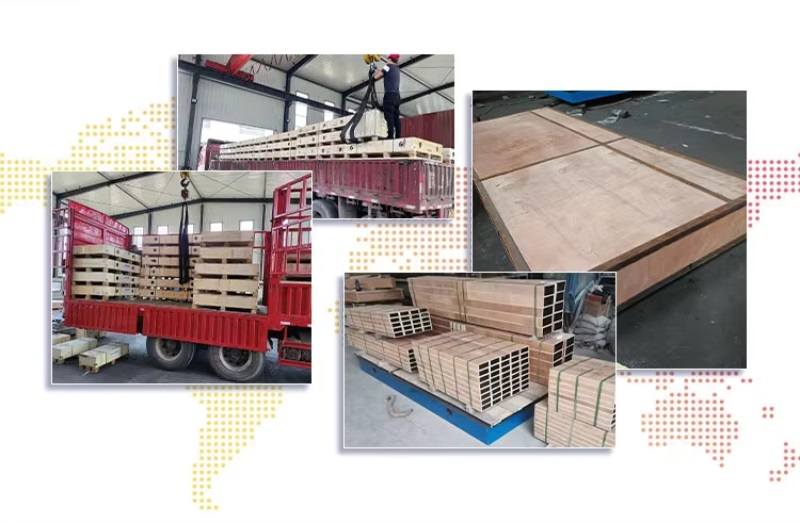
Packaging and Shipping
FAQs
Can custom inlet valve castings be made from stainless steel?
Yes, stainless steel (304, 316, 17-4PH) is a common material used in investment casting for inlet valves.
What is the typical lead time for custom inlet valve castings?
Lead times vary based on complexity.
Are custom inlet valve castings suitable for high-pressure applications?
Yes, investment casting allows for the production of parts with high strength and durability, making them suitable for high-pressure applications.
Can investment casting produce internal passages in inlet valves?
Yes, investment casting can create complex internal passages and intricate details, essential for efficient valve operation.
Related products
-
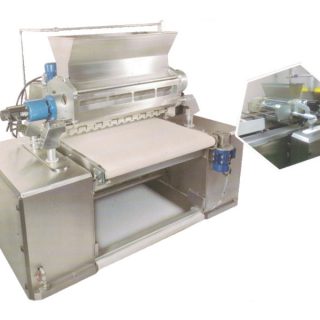
Directly extrudes paste onto the steel band of the oven instead of trays.
-
Place of Origin:Shenzhen,China
Model Number:OEM/ODM
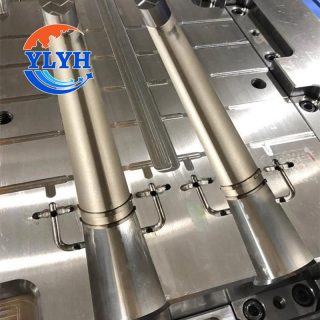
Product:Plastic Injection Mould
Application:Automotive Equipment
Mould material:H13/P20/NAK80/S136/2738/2316/S7/1.2344
Mould Life:250000-300000shots
Surface treatment:Polishing
Certification:ISO9001 ISO13485 IATF16949 -
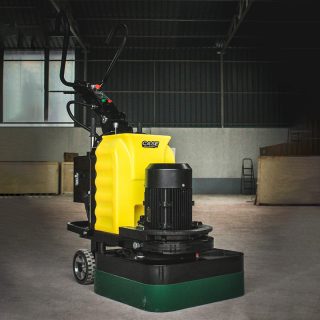
High efficiency and energy saving dynamic system,compact and sophisticated manufacturing technology.
-
Copper welding fabrication refers to the process of joining copper pieces together using welding techniques.
-
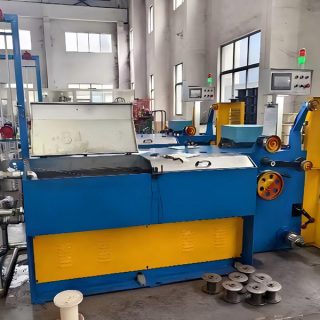
For small size wire product 0.8/0.5/0.3/0.2/0.08mmFor high carbon ,stainless steel wire ,and others alloy mental wire.

Reviews
There are no reviews yet.